Convention Floor to Crypto Floor: How Anime Event Season Manufactures Bubbles — and How to Get Out Before They Pop
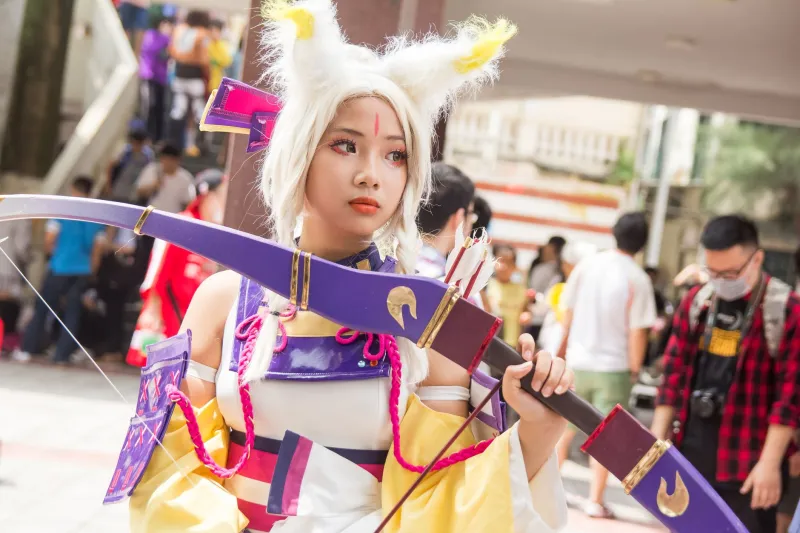
If you've been around the anime crypto space for more than one full calendar year, you've probably felt it — that electric buzz that starts building sometime in late spring, peaks around a major convention weekend, and then leaves a trail of wrecked wallets by the time the leaves start turning. It's not a coincidence. It's a cycle, and once you see it clearly, you can't unsee it.
We spent time mapping the launch and collapse timelines of dozens of anime-adjacent token projects over the past few years, cross-referencing them against the North American convention calendar. The pattern is striking enough that it deserves its own name. Call it the Convention Pump. Call it the Otaku Hype Loop. Whatever you call it, understanding how it works is probably the most practical thing an anime crypto investor can do right now.
Why Convention Season Is Ground Zero for Anime Token Launches
Anime Expo in Los Angeles. Anime NYC. Crunchyroll Expo. These events don't just draw fans — they concentrate the exact demographic that anime crypto projects need to generate early momentum. You've got tens of thousands of passionate, spending-ready fans in one place, many of them already comfortable with digital purchases, gatcha mechanics, and limited-edition drops. For a project team looking to manufacture organic-feeling buzz, it's a dream environment.
The playbook is pretty consistent. A project announces a partnership with a cosplay influencer or a minor industry figure a few weeks before the con. They set up a booth, give away free NFT mints or whitelist spots, and get their token ticker trending in Discord servers and on Crypto Twitter. By the time the convention floor closes on Sunday night, the token chart looks like a rocket launch.
Here's the thing though: that spike is almost never built on fundamentals. It's built on FOMO, physical proximity, and the same psychological machinery that makes limited-edition convention merch sell out in twenty minutes. The moment the crowd disperses and flies home, the buying pressure evaporates.
The Historical Pattern Is Pretty Damning
Look back at the graveyard of anime tokens that launched or surged between May and August over the past several years. A significant number of them followed a nearly identical arc: explosive initial volume during or immediately after a major convention, a secondary pump fueled by YouTube coverage and TikTok clips, then a slow-motion collapse that typically bottomed out somewhere between six and twelve weeks after peak hype.
The seasonal fan spending dynamic amplifies this. Summer is when a lot of anime fans — especially the college-aged demographic — have more disposable income and free time. That money flows into merchandise, streaming subscriptions, and yes, crypto projects that feel connected to the culture they love. When fall semester starts and budgets tighten, discretionary spending on speculative assets is usually the first thing to get cut.
Winter convention season, particularly around events tied to the holiday release window, produces a smaller but structurally similar effect. The amplitude is lower, but the shape of the curve rhymes.
Red Flags That Show Up Right Before the Dump
Once you know what to look for, the warning signs are surprisingly readable. Here are the ones that show up most consistently in the weeks before a project goes off a cliff.
The influencer blitz with no substance underneath it. When a project's marketing is almost entirely cosplay photos, convention booth selfies, and hype reels — and the actual whitepaper or tokenomics documentation is buried, vague, or riddled with buzzwords — that's a signal. Legitimate projects don't need to hide their mechanics behind aesthetics.
Volume that doesn't match wallet diversity. A token can show impressive trading volume while actually being held by a very small number of wallets. On-chain tools like Etherscan or dedicated token analytics platforms can show you wallet concentration pretty quickly. If the top ten wallets hold sixty or seventy percent of the supply and volume is spiking, someone is setting up an exit.
The roadmap that conveniently ends at "TBA." Convention-season projects often publish roadmaps that look detailed for the first two or three phases — usually timed to coincide with the hype window — and then go completely vague for anything beyond that. This is a classic structure for a project that was never designed to last past the initial pump.
Team anonymity combined with aggressive PR. There's nothing inherently wrong with pseudonymous teams in crypto. But when a project is doing heavy mainstream outreach — press releases, influencer deals, convention sponsorships — while the core team remains completely unverifiable, the risk profile is significantly elevated.
The "exclusive" partnership that turns out to be a licensing gray area. Some projects announce relationships with anime IP in language that sounds official but is technically just a fan licensing arrangement or a completely unverified claim. If the announcement doesn't include a direct confirmation from the IP holder, treat it as unconfirmed until proven otherwise.
Manufactured Hype vs. Real Community Momentum — Here's the Difference
This is the harder question, because genuine grassroots momentum can look similar to manufactured buzz on the surface. Both involve fast follower growth and excited Discord activity. The difference tends to show up in a few specific places.
Real community momentum usually predates the marketing push. If a project has been quietly building a Discord for months before its convention debut, and that community was already having substantive conversations about the product, that's a different signal than a server that appeared two weeks ago and is already at fifty thousand members.
Look at the quality of conversation, not just the volume. A community that's genuinely invested in a project asks hard questions. They debate tokenomics. They push back on the team. They share critical analysis alongside the hype. A manufactured community tends to be relentlessly positive in a way that feels almost algorithmic.
On-chain activity patterns matter here too. Organic adoption tends to produce wallet growth that's spread across many small holders acquiring tokens at different price points over time. Artificial hype tends to produce sharp, sudden spikes in new wallets that flatten out almost immediately after the marketing push ends.
A Tactical Framework for Convention Season
So what do you actually do with all of this? A few practical principles worth keeping in mind as the summer convention calendar approaches.
First, treat the convention announcement as a research trigger, not a buy signal. When a project makes noise at a major event, that's your cue to start digging — not to ape in. Give yourself at least two to three weeks of observation before committing capital.
Second, set a mental exit framework before you enter. Decide in advance what a reasonable return target looks like and at what point you'd cut losses. Convention-season pumps are volatile enough that emotional decision-making in the moment is genuinely dangerous.
Third, check the on-chain data before you check the Discord. The blockchain doesn't lie. Wallet concentration, transaction patterns, and liquidity depth will tell you more than any hype thread.
And finally, remember that the convention floor is designed to make you feel something. That's the whole point of the experience. The best anime crypto projects are the ones that still look interesting after the cosplay photos fade and you're sitting at home reading a whitepaper at 11pm on a Tuesday. If it doesn't survive that test, it probably won't survive October either.