Seiyuu on the Blockchain: How Anime Voice Actors Are Quietly Building Their Own Crypto Economies
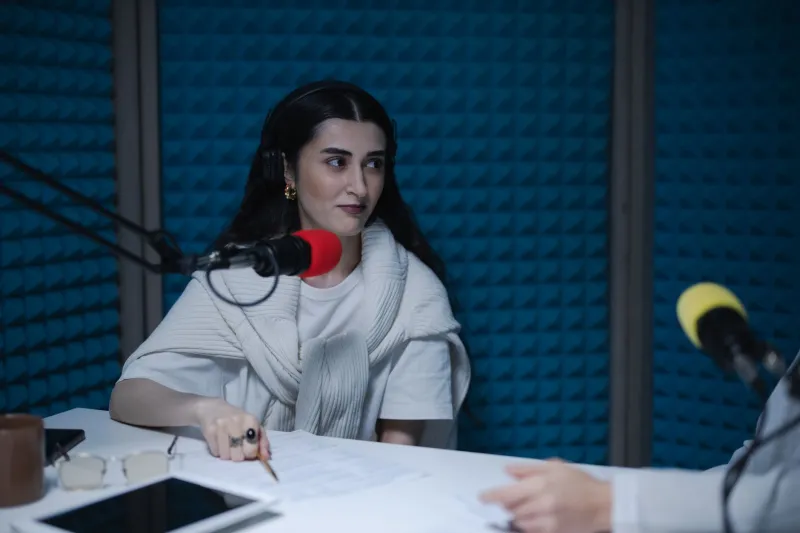
When crypto fans talk anime tokens, the conversation almost always circles back to the same things — studio-backed projects, IP licensing nightmares, and NFT collections built around famous characters. What almost nobody is talking about? The actual humans behind those characters. The voice actors — seiyuu, as they're known in Japan — who spend years building parasocial armies of devoted fans, only to see most of that economic value get absorbed by agencies and production committees before it ever reaches them.
That dynamic is quietly starting to shift. And if you've been sleeping on VA-backed crypto projects, you might want to set an alarm.
The Studio Gatekeeping Problem Nobody Talks About
Here's the thing most casual anime fans don't fully appreciate: popular voice actors in Japan are basically celebrities with massive, intensely loyal followings. We're talking sold-out concert tours, merchandise lines, and fan clubs with thousands of paying members. Voice actors like Hiroshi Kamiya, Aoi Yuuki, and Yuki Kaji aren't just voices — they're full-blown entertainment brands.
But the traditional structure of the Japanese entertainment industry means those brands are heavily managed. Agencies control bookings, merchandise deals get routed through committees, and fan engagement is tightly curated. The VA themselves often sees a fraction of the revenue their personal popularity generates. Sound familiar? It's basically the same problem blockchain has been trying to solve for musicians, athletes, and visual artists for years.
The difference is that the anime voice actor space is way earlier in its Web3 adoption curve — which means the opportunity window is still wide open.
What VA-Backed Crypto Actually Looks Like Right Now
We're not going to pretend this market is mature. It isn't. But there are real experiments happening worth paying attention to.
The most straightforward plays are exclusive audio NFTs — think signed voice message drops, character readings performed outside of official studio contexts, personalized audio clips, or original short-form audio dramas that exist entirely outside the traditional production pipeline. A voice actor with a dedicated fan base of even 50,000 people could realistically generate significant revenue from limited-edition audio drops if even a fraction of those fans are crypto-active.
Some emerging platforms in the broader creator token space have started courting seiyuu directly, pitching the model as a way to monetize their most engaged fans without needing agency approval for every single initiative. The pitch isn't complicated: mint a collection, drop it to your community, keep the royalties on secondary sales. No production committee required.
Then there's the more ambitious play — fan governance tokens. This is where things get genuinely interesting. Imagine a voice actor issuing tokens that give holders actual voting power over career decisions: which indie game they lend their voice to next, which fan-produced audio drama project gets the green light, maybe even which convention appearances get prioritized. It sounds futuristic, but the underlying DAO infrastructure to make this work already exists. It's just a matter of someone prominent enough pulling the trigger.
Why US Fans Are Actually the Target Audience Here
You might be thinking this is purely a Japanese market story. It's not — and the reasons why matter for anyone thinking about where value accrues.
North American anime fandom has exploded. Crunchyroll reported over 15 million subscribers. Conventions like Anime Expo and Otakon routinely sell out. English dub voice actors — people like Vic Mignogna controversies aside, or more positively, folks like Johnny Yong Bosch and Cristina Vee — have deeply loyal US fan bases that rival what some seiyuu command in Japan.
And crucially, US-based anime fans skew younger, are more crypto-literate on average, and are already comfortable with digital purchases. They've been buying digital manga, streaming subscriptions, and in-game currency for years. The mental leap to purchasing a limited-edition audio NFT from their favorite voice actor is genuinely smaller than it might seem.
There's also a practical advantage: English-language VA projects operating through blockchain would largely sidestep the Japanese agency system entirely, making the regulatory and contractual path potentially cleaner — at least on the talent side.
The Gray Areas You Can't Ignore
None of this comes without complications, and being real about them matters.
First, there's the character IP problem. A voice actor's personal brand is theirs. The characters they've voiced? Those belong to studios. Any VA-backed project that gets too close to using character associations as a selling point is going to draw legal attention fast. The successful plays here will be built on the actor's personal brand — their voice, their personality, their relationship with fans — not on the IP they happen to have performed.
Second, agency contracts are a real constraint. Many working voice actors, particularly in Japan, have exclusivity clauses or approval requirements baked into their representation agreements. Until those contracts start including Web3 carve-outs — which some forward-thinking agencies are starting to negotiate — individual actors may face real barriers to launching independent token projects.
Third, the SEC's ongoing ambiguity around utility tokens and fan governance structures means anyone building in this space in the US needs to be thoughtful about how they structure token mechanics. A governance token that also appreciates in value and can be traded starts looking a lot like a security to regulators, regardless of what the whitepaper calls it.
None of these are dealbreakers. They're just the friction that keeps this space early-stage — which, depending on your risk tolerance, is exactly where you want to be.
The Sleeper Play Case
Here's the honest bull case for VA tokens: the fan loyalty economics are genuinely unusual. Anime voice actor fans — particularly in the seiyuu idol subculture — demonstrate purchasing behavior that looks more like K-pop stan culture than typical entertainment fandom. These are people who buy multiple versions of the same CD to support sales rankings, who travel internationally for concert appearances, who maintain fan club memberships for years.
That level of committed financial engagement, redirected even partially into a well-designed token ecosystem, represents real potential value. And unlike studio-backed tokens that require navigating IP licensing and production committee politics, a VA-backed project can in theory be leaner, faster, and more directly responsive to the community it serves.
The infrastructure is there. The fan bases are there. The crypto literacy in the target demographic is growing. What's missing is the breakout project — the one voice actor with enough following, enough Web3 curiosity, and enough independence from traditional gatekeeping structures to actually launch something serious.
When that happens, and it's probably a matter of when rather than if, the people who were paying attention early are going to look very smart in hindsight.
Keep watching this space.