Crash Course: What the First Wave of Anime Crypto Disasters Actually Taught Us
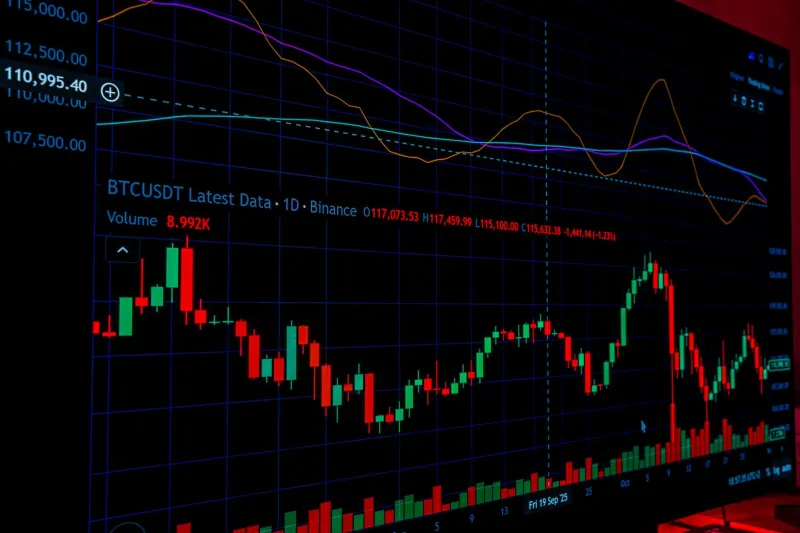
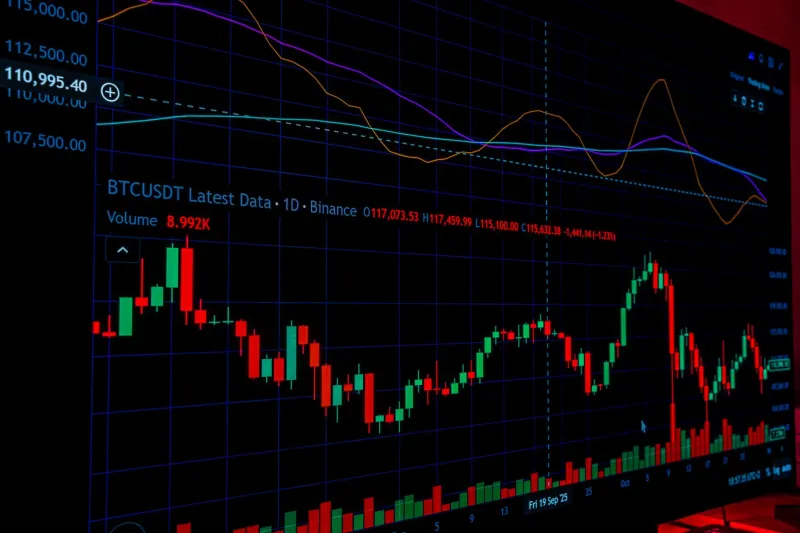
If you were paying attention to the anime crypto space in 2021, you watched a gold rush that looked more like a clown car by the end. Projects launched weekly. Influencers shilled tokens with names pulled from popular series. Community servers hit tens of thousands of members overnight. And then, one after another, they imploded — taking wallets with them.
Calling this a "correction" would be too generous. It was a structural failure, and it happened for reasons that were visible in hindsight — and, frankly, should have been visible in real time. The good news is that the wreckage left a detailed map of what doesn't work. The projects operating now that have actually absorbed those lessons look meaningfully different. Here's how to tell them apart.
The Core Failure Modes of Wave One
Branding as a Business Model
The single most common cause of death in the 2021-2023 cycle was the confusion of aesthetic with substance. Dozens of projects launched with slick anime-style artwork, recognizable character archetypes in their marketing, and absolutely nothing underneath.
The token was the product. Not a platform. Not a utility layer. Not a licensing deal. Just a token with anime branding and a vague roadmap promising a "metaverse" or "NFT marketplace" that never materialized. When the initial buyer wave exhausted itself, there was no mechanism to generate new demand — because there was no actual product driving it.
This sounds obvious now. It wasn't obvious when the charts were going vertical.
Community as a Pump Mechanism
Wave One projects were obsessed with community size as a vanity metric. Discord member counts, Twitter followers, Telegram activity — these numbers were treated as proof of value. What they actually measured was hype velocity, which is a very different thing.
Real community infrastructure means governance participation, content creation, and sustained engagement after the initial launch window. Wave One communities were overwhelmingly passive — buyers waiting for price appreciation, not builders contributing to a project's long-term health. When price stopped appreciating, the communities evaporated.
Licensing Optimism Disorder
A surprising number of Wave One projects implied — sometimes explicitly, sometimes through carefully worded marketing — that official licensing deals with anime studios were imminent or already in progress. Almost none of these deals ever materialized.
Studio IP licensing for crypto projects is genuinely complicated. Japanese studios are conservative institutions. The legal frameworks for blockchain-based licensing were (and remain) underdeveloped. Projects that treated licensing as a near-term catalyst were either delusional or deliberately misleading their communities. Either way, when the deals didn't close, the narrative collapsed and the token followed.
Tokenomics That Rewarded Early Exits
The mechanical failures were just as damaging as the strategic ones. Many Wave One projects launched with tokenomics structures that heavily favored early insiders — large team allocations with short vesting periods, presale pricing that created immediate profit-taking incentives, and liquidity setups that allowed whale exits to crater the price before retail buyers even understood what was happening.
This wasn't unique to anime crypto — it was a market-wide problem during that cycle. But the anime community, which skews younger and less financially experienced, was hit particularly hard.
What Pattern Recognition Actually Looks Like
So how do you apply these lessons in real time? A few concrete signals to run on any anime crypto project before you touch it:
The whitepaper test. Does the whitepaper describe a product that would exist independently of the token? If the only reason the token needs to exist is to fund the token itself, that's a circular logic trap. Genuine projects describe utility — access, governance, royalty distribution, platform functionality — that requires a token as infrastructure, not as the end goal.
The licensing paper trail. Any project claiming studio relationships should have verifiable evidence: press releases from the studio, named contacts, or at minimum a clearly articulated legal framework for how they're operating. Vague language about "partnerships in discussion" is a yellow flag. Explicit claims without documentation is a red one.
The team's post-launch behavior. What does the founding team do after the token launches? Projects with genuine intent keep shipping — development updates, product milestones, community governance events. Teams that go quiet after the initial fundraise and only resurface to announce new token sales are running a script you've seen before.
Tokenomics transparency. Fully audited smart contracts, published vesting schedules, and clear disclosure of team and advisor allocations are table stakes. If this information isn't readily available before you buy, assume the structure isn't in your favor.
The Current Wave: Genuinely Different or Same Story, New Coat of Paint?
The honest answer is: it depends on the project, and you still have to do the work.
What's legitimately different about the better projects operating today is architectural. The ones worth watching have moved away from speculative token launches as their primary funding mechanism. Instead, they're building revenue-generating infrastructure first — platforms where creators can sell directly to fans, royalty distribution systems for independent anime artists, DAO structures with real governance over actual assets — and introducing tokens as part of a working system rather than as a bet on a future system.
A few projects have also made meaningful progress on the licensing problem by targeting independent creators and smaller studios rather than chasing the major franchise deals that Wave One projects promised and couldn't deliver. Building a track record with mid-tier IP is less exciting but dramatically more achievable.
The community dynamics have also matured in some corners of the space. Discord servers for the more serious current projects look different — smaller, more technically engaged, with governance forums that actually get used. That's not a guarantee of success, but it's a better signal than a server with 50,000 members who never discuss anything except price.
The Bottom Line for Traders
The 2021-2023 wave was expensive education. The tuition was paid. What you do with the curriculum is up to you.
The anime crypto space has genuine long-term potential — the overlap between crypto-native culture and anime fandom is real, and the creator economy applications are legitimate. But that potential doesn't protect any individual project from the same failure modes that took down the first wave.
Pattern recognition is your edge. Use it.